Top Residential Alarm Installation Tips for Enhanced Home Safety
PT
Understanding Your Home's Needs
When it comes to enhancing home safety, installing a residential alarm system is a crucial step. Before choosing a system, it's essential to understand your home's specific needs. Consider the size of your home, the number of entry points, and any specific security concerns you might have. This will help you select the most suitable alarm system for your residence.
Choosing the Right Alarm System
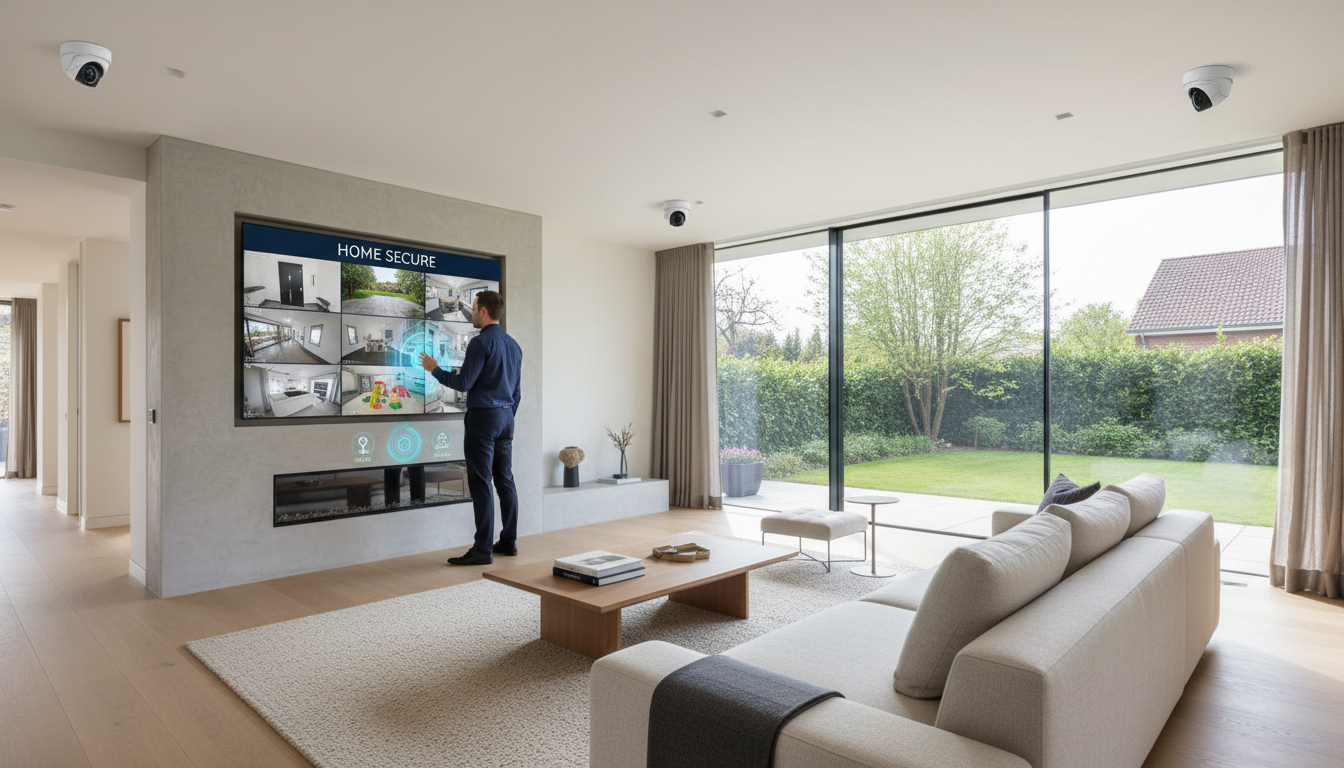
There are various types of alarm systems available, including wired, wireless, and smart systems. Each has its own set of advantages. For instance, wireless systems are easy to install and can be moved if you relocate. In contrast, wired systems often offer more stability in terms of connectivity. Smart systems provide the added benefit of remote monitoring via smartphone apps, allowing you to keep an eye on your home from anywhere.
Consider Professional Installation
While DIY installation can be tempting, professional installation ensures that your system is set up correctly. Professionals have the expertise to place sensors and cameras in optimal locations, ensuring maximum coverage and efficiency. This can help you avoid any blind spots and ensure that your entire home is adequately protected.

Placement of Sensors and Cameras
The placement of sensors and cameras is critical to the effectiveness of your alarm system. Sensors should be installed at all entry points, such as doors and windows. Cameras should cover key areas like the front and back doors, driveway, and any blind spots. Ensure that cameras are positioned at a height that deters tampering but provides a clear view of the area.
Regular Maintenance and Testing
Once your alarm system is installed, regular maintenance is crucial to ensure its continued effectiveness. Test your system monthly to confirm that all components are working correctly. Replace batteries in wireless sensors and check for any signs of wear or damage. Routine maintenance can prevent malfunctions and ensure your system is always ready to protect your home.
Integrating with Smart Home Devices
Modern alarm systems can be integrated with other smart home devices for enhanced security. Consider connecting your alarm system with smart locks, lights, and thermostats. This integration allows you to automate your home’s security features, such as locking doors or turning on lights when the alarm is triggered, adding an extra layer of protection.
Educating Household Members
Ensure that all household members are familiar with the alarm system. Teach them how to arm and disarm the system, and explain what to do in case of an emergency. Having a clear understanding of how the system works ensures everyone can respond appropriately during an incident.
Monitoring and Alerts
Choosing a system with professional monitoring services can offer additional peace of mind. These services alert authorities in case of a security breach. Alternatively, consider systems that send alerts directly to your phone, allowing you to react swiftly if something is amiss. Quick response is key to preventing potential threats.